Trauma Creates a Wall to Micro-Moments
June 12, 20243 min read557 words
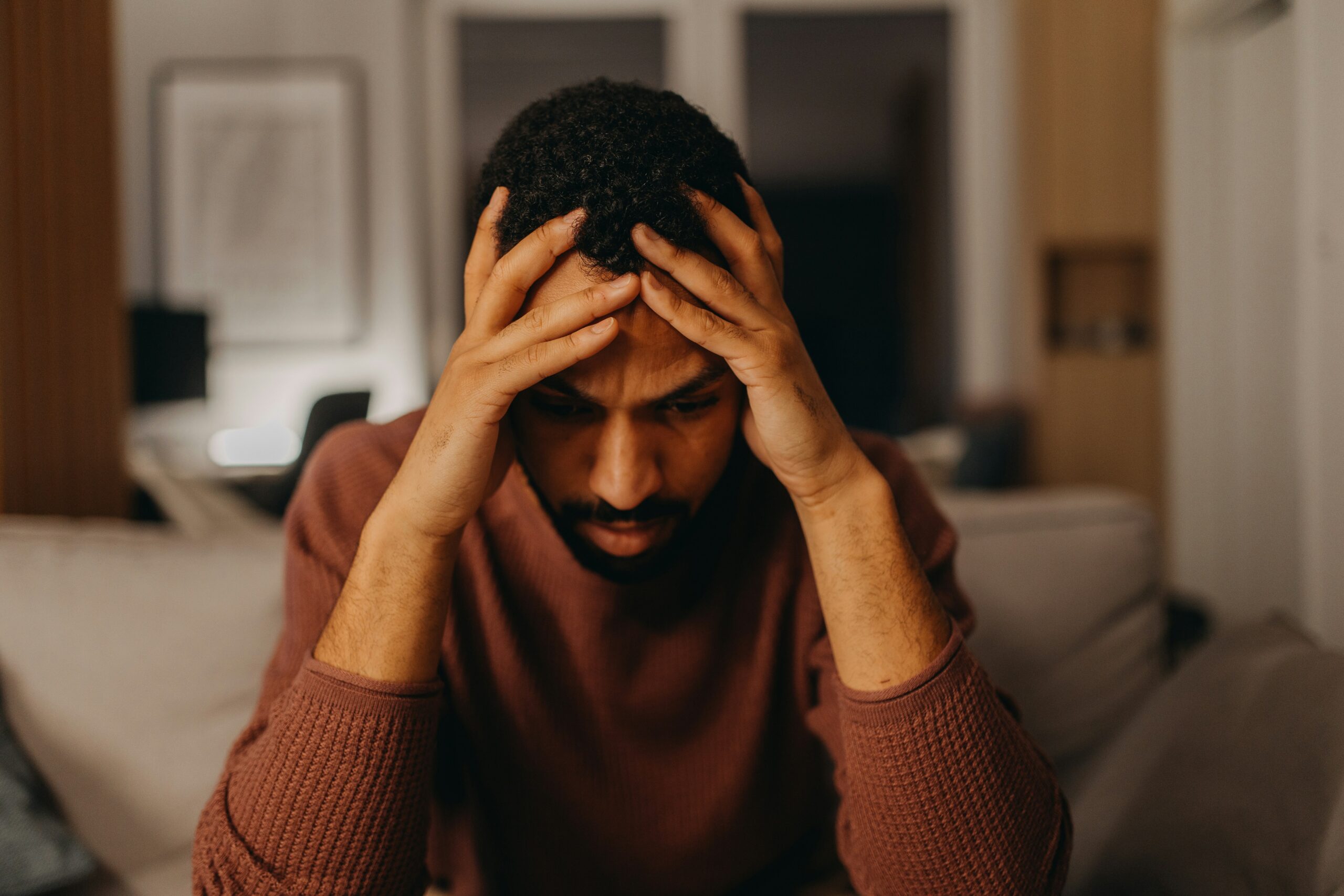
I carry around the residue of trauma. We all do. Some of us have had more than our fair share, but it’s impossible to go through the human experience without acquiring some on the way. It shaped me in many ways.
The takeaways
- 01
Some of us have had more than our fair share, but it’s impossible to go through the human experience without acquiring some on the way.
What to do nextChoose one small action tied to fair you can do in the next 24 hours that your future self would thank you for.
- 02
If unresolved, it causes trouble later on and walled me off to micro-moments.
What to do nextPick one conversation you have been putting off where unresolved is the real subject, and have it before the week ends.
- 03
Well, they are the everyday connections and pockets of time that enable us to become better partners, friends, family members, and colleagues.
- 04
Micro-moments were not on my radar for a long time, thanks to trauma.
What to do nextPick one conversation you have been putting off where micro-moments is the real subject, and have it before the week ends.
I carry around the residue of trauma. We all do. Some of us have had more than our fair share, but it’s impossible to go through the human experience without acquiring some on the way. It shaped me in many ways. If unresolved, it causes trouble later on and walled me off to micro-moments.
Why do micro-moments even matter? Well, they are the everyday connections and pockets of time that enable us to become better partners, friends, family members, and colleagues. Micro-moments were not on my radar for a long time, thanks to trauma. It made me want to be a superachiever with no time to be vulnerable.
Then, a lot of stuff happened, and I hit a rock-bottom moment of reflection. Instead of being blind to micro-moments, I began to embrace them. I share my path in my book The In-Between: Life in the Micro.
I Didn’t Want to Be Hurt Again
When we experience trauma in childhood and adolescence, we develop a protective part of ourselves. This part of identity builds walls so we won’t be hurt again. However, the wall cuts out the good stuff, too, so we sit in a neutral spot.
I certainly didn’t want to encounter any more hurt in my life after my childhood. I thought that walling myself off was a good course of action. I just didn’t realize until many years later what I missed by only focusing on the macro.
Being Vulnerable Is Hard for the Traumatized
The traumatized brain fights to avoid vulnerability. That protective part wants to be in control. As a result, those with unresolved trauma are excellent at building walls. It seems to be the safe path, but what are we missing by not letting ourselves be vulnerable?
We miss out on the in-between and the micro-moments that are often joyful and illuminating. The path to being able to be present and aware of these moments requires deep reflection and a desire to change.
Redefining Your Identity through Micro-Moments
The identity that keeps us from enjoying and living in the in-between must evolve. One approach to this is setting intentions. An intention is what we expect and want to happen. Without intentions, we become a victim of circumstances.
Intentions also have to be adaptable to the situation. Staying true to them helps us no longer be anxious and fearful of micro-moments and connections.
I learned about the value of micro-moments through this metamorphosis. When I was only concerned about the macro-moments, I achieved much, but I’m not proud of the old me. Reflection allowed me to look at the past through a new lens. It was necessary and uncomfortable. However, that’s how growth works.
There’s a lot to be excited about when you turn your attention to micro-moments. Without them, we have a life less lived. It’s changed the way I communicate and made me a more empathetic person, in general.
If you want to truly experience micro-moments, it’s time to think about why you brush them aside now. You’ll find more stories, tips, and more in my book.
Frequently asked
Keep reading
-
Micro-Moments Center on the Present - Christian Espinosa
What the wall is blocking you from.
Read essay → -
How to Be Good at Being Present - Christian Espinosa
How to start dismantling the wall.
Read essay → -
the-accident-that-taught-me-to-live-in-the-in-between
A trauma that could have built a wall and did not.
Read essay →