Wet Tires At COTA: When The Conditions Change
May 8, 20262 min read414 words
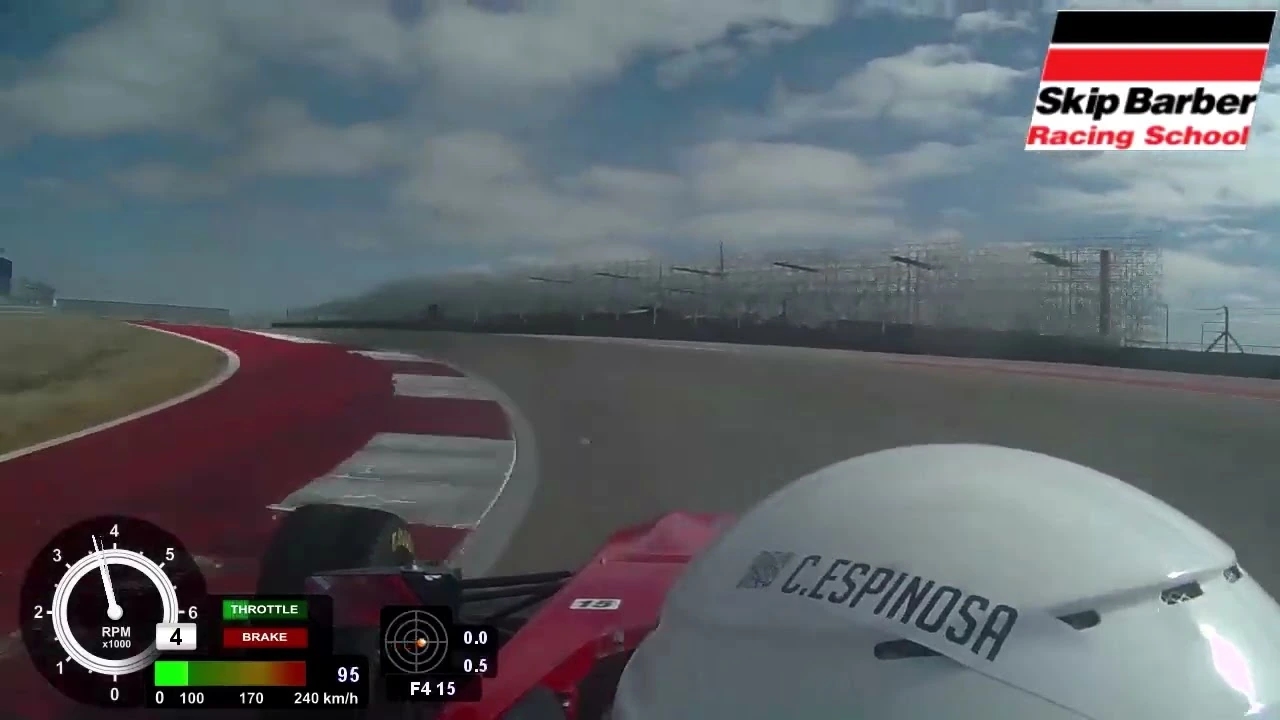
The second video from the Skip Barber Advanced Formula Car course at COTA is up. This lap was from the passing exercises on day two
The takeaways
- 01
Track conditions can change unexpectedly, requiring immediate adaptation to maintain control and safety.
What to do nextPick one meeting on this week's calendar where control is actually the underlying issue, and put that on the agenda by name.
- 02
Driving on a slick track with wet tires demands a calmer approach and heightened attention to detail.
What to do nextHave one direct conversation about driving with the person on your team who most needs to hear it.
- 03
Successfully navigating changing conditions necessitates adjusting your strategy rather than forcing an original plan.
What to do nextBlock 30 minutes this week to audit how strategy is showing up on your team, then decide one thing to change.
- 04
The ability to adapt quickly to new circumstances is crucial, whether in racing, leadership, or cybersecurity.
What to do nextBlock 30 minutes this week to audit how leadership is showing up on your team, then decide one thing to change.
- 05
Prioritize early assessment and adjustment to new conditions to achieve better outcomes and avoid negative consequences.
What to do nextPick one meeting on this week's calendar where prioritize is actually the underlying issue, and put that on the agenda by name.
It was super cold that morning. There was frost on the track, so I switched to wet tires because the surface was still slick.
That changed everything.
I cannot drive the same way when the conditions change.
I have to calm down, pay attention, and adjust fast.
That was the lesson for me.
Whether it is on a track, in leadership, or in cybersecurity, trying to force the original plan usually does not end well.
The better move is to read the conditions for what they are and adapt early.
What "Wet Tires" Looks Like Off The Track
The track gives you immediate feedback. Push too hard on a cold, wet surface and the car steps out before the next corner. You learn within seconds.
In business the feedback loop is longer, which makes the same mistake more expensive.
The market shifts and a sales motion that worked last quarter stops converting; the team keeps running the old script for two quarters before anyone admits the conditions changed. A reorganization moves a key partner out of the chain and the project keeps tracking against a plan that assumed they were still in it. A regulatory expectation tightens and the submission plan that was a layup six months ago is now a three-month rewrite, but the team has not adjusted the timeline yet.
Same mistake every time. Conditions changed; plan did not.
The drivers who survive cold mornings are the ones who notice the surface before the car tells them. The teams that survive shifting markets are the ones who notice the conditions before the numbers tell them.
The Adjustment Itself
Adjusting is not panicking. Panicking is what people who did not notice the conditions do once the car is already sideways.
Adjusting is three small moves: slow the inputs, widen the line, and shorten the horizon. On the track that means smoother steering, smoother throttle, and only thinking about the next corner instead of the lap. In a company it means fewer big decisions, more reversible ones, and a planning horizon you can actually see clearly.
You give up some speed in the short term. You keep the car on the track. That is the whole trade.
Have you ever had a situation where the conditions changed fast and you had to adjust in real time?
“The line that worked yesterday is the line that beats you today.”
Frequently asked
Keep reading
-
Speed Is Easy. Control Is Hard.
Same track, same lesson: the win is not the throttle, it is how much control you keep around it.
Read essay → -
Five Seconds on Elbrus and the FDA Submission
Another version of conditions changing fast; what happens when you stop reading them in time.
Read essay → -
Neural Pathway Highways and Ruts: Change Your Habits - Christian Espinosa
Same thread: leadership.
Read essay →